View more
Ancient Illyrian Code Leke Dukagjini Tour
The Ancient Illyrian Code Leke Dukagjini Tour offers a professional exploration of historical Illyrian sites and the traditional code of Leke Dukagjini, providing cultural insights and guided experiences.
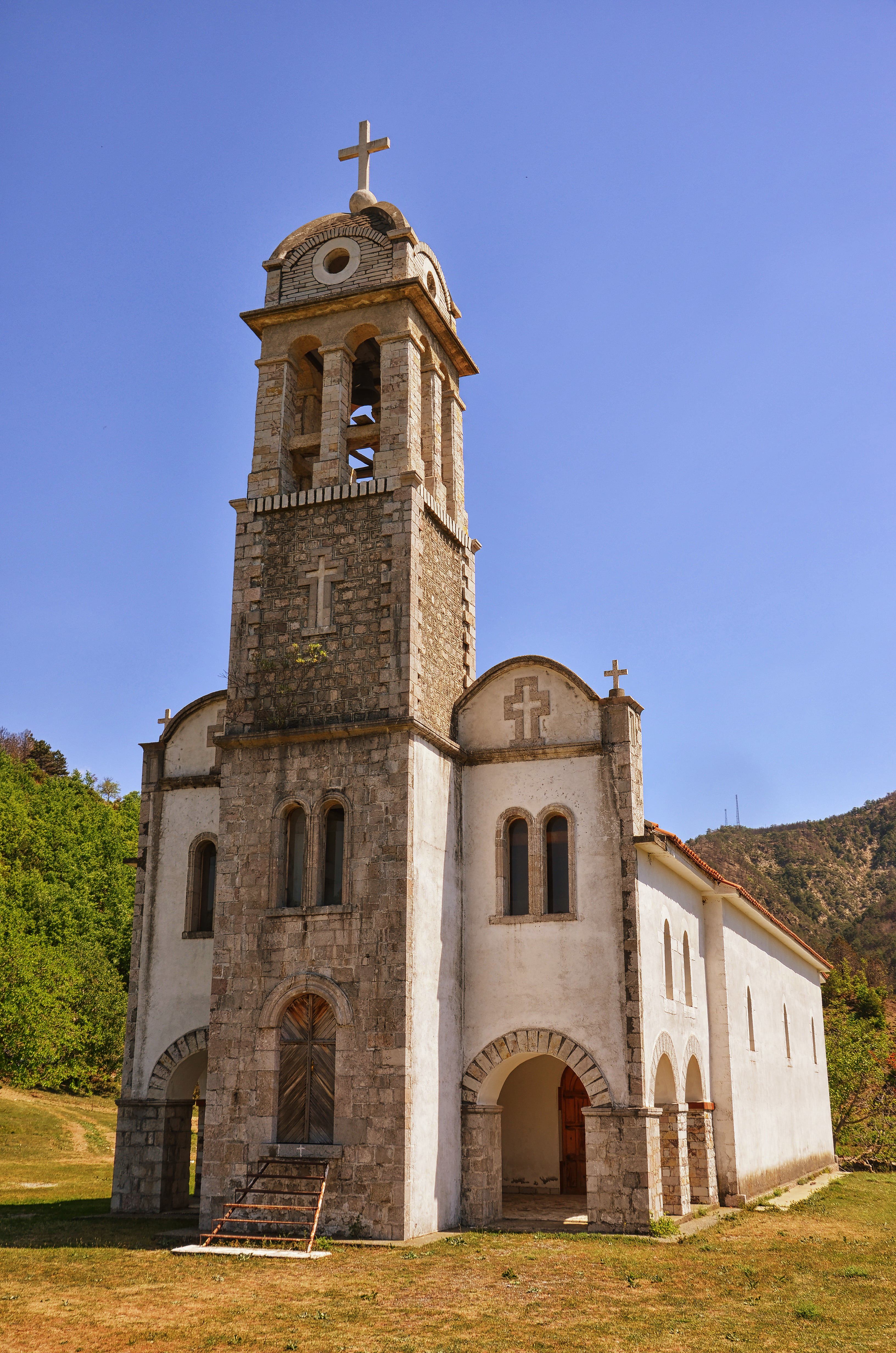
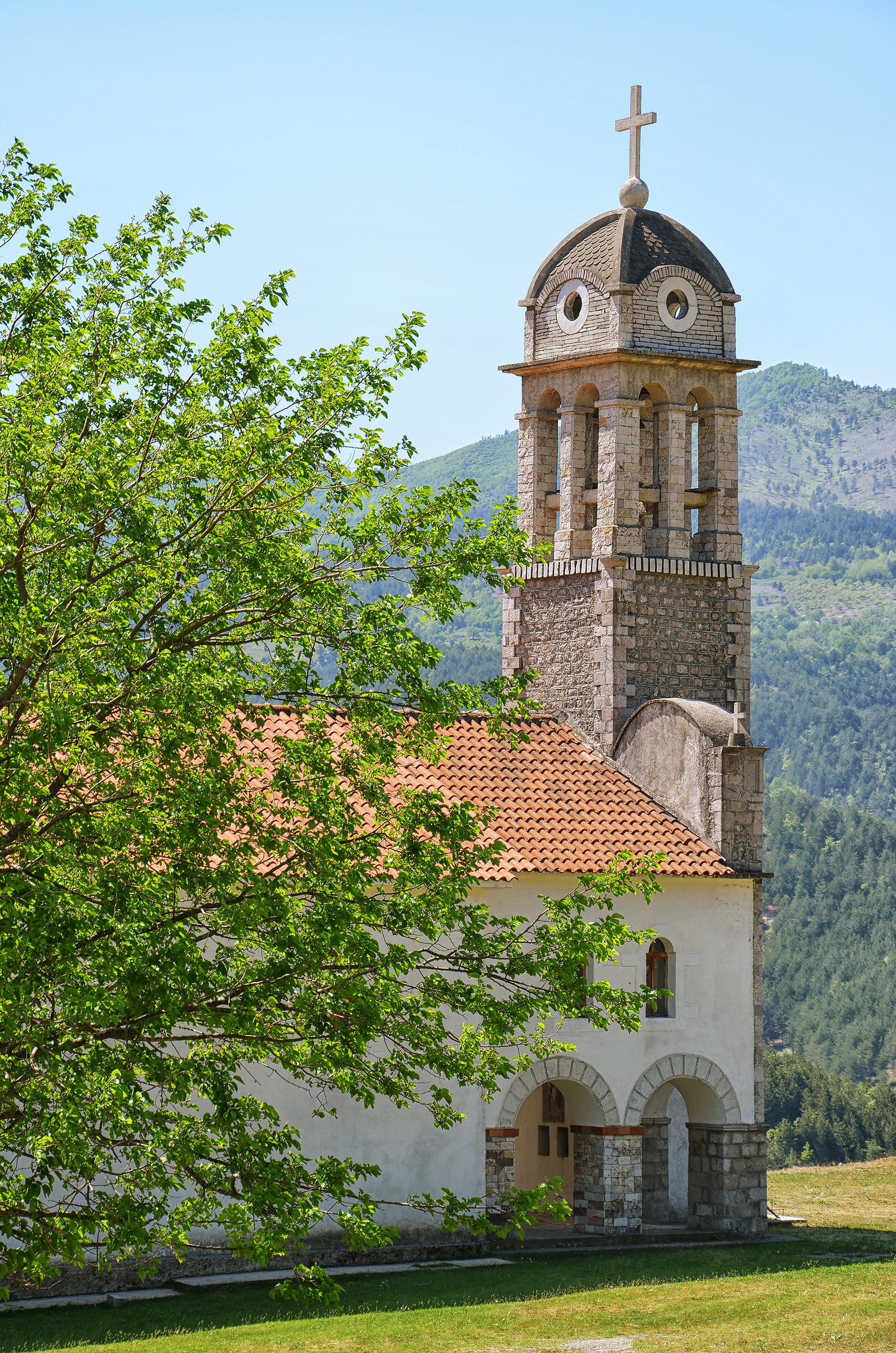
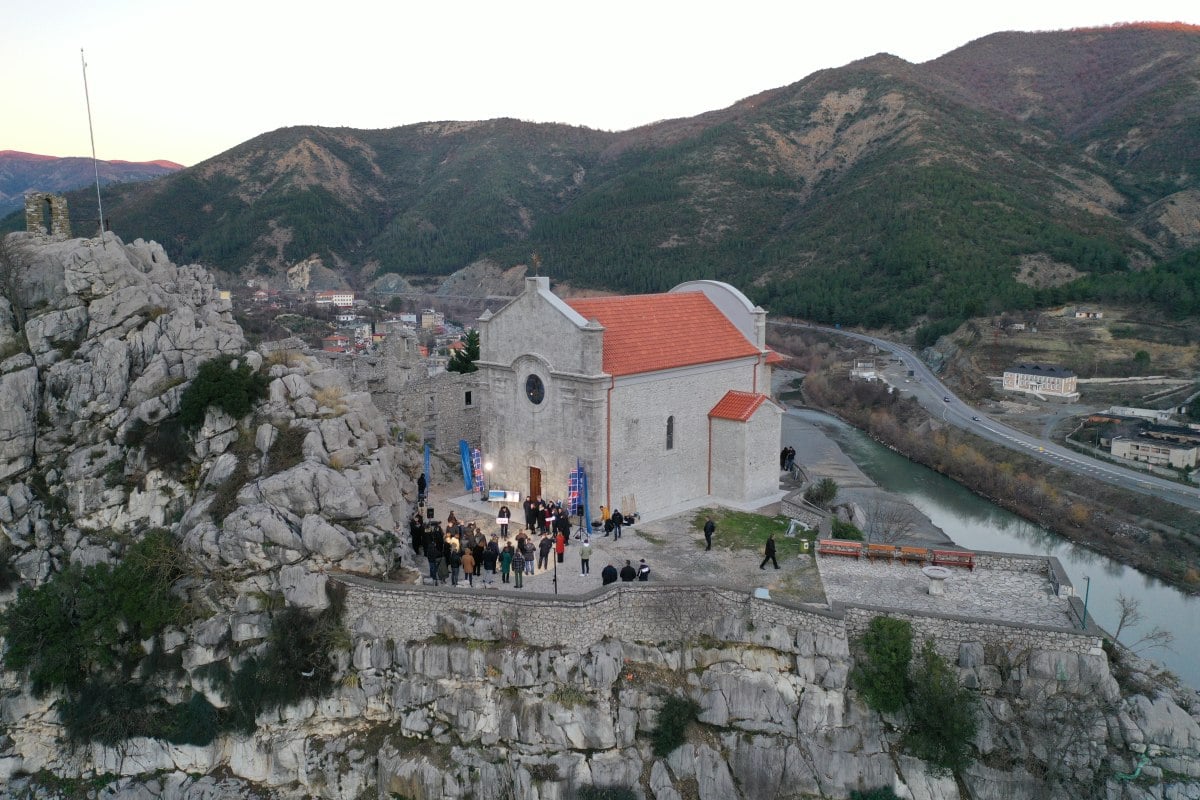
Albania's rich and authentic cultural heritage, spanning from the ancient Pelasgian-Illyrian era to modern times, continues to captivate both foreign and Albanian scholars. Over the centuries and millennia, many elements of this heritage have either been assimilated or transformed, yet the unique identity of regions such as Mirdita remains remarkably preserved. This exclusive journey invites you to explore Mirdita, one of Albania’s most distinctive regions. Renowned for its resilience following the full invasion of Lezha after the death of Skanderbeg in 1468, Mirdita became a refuge for those who either perished in battle, fled to Italy or other parts of the Balkans, or sought sanctuary in the mountains. The region’s enduring traditions and unique way of life have attracted the attention of numerous writers and researchers, who have recognized Mirdita as a "unique world" worthy of scholarly and cultural exploration. The dramatic interplay of human emotion, fate, and identity, alongside the enduring influence of the Kanun and Catholic faith, are continuously enacted across the region’s storied landscapes. As a local proverb poignantly states, "Bad to live and worse to die," echoing the universal existential dilemma famously articulated by Shakespeare: "To be or not to be." Historical records indicate that the first mention of "Mirdita" occurred in Orosh, the traditional seat of the region’s leaders and the Abbacy. Mirdita is historically recognized as the land of the Illyrians and Pirusts, with archaeological evidence indicating continuous habitation since the Stone Age (4500-2500 B.C.). In the 19th and early 20th centuries, Mirdita was organized as a geographic union of 12 administrative units, known as the “12 bajraks” (flags) of Mirdita. The region is particularly noted for its steadfast adherence to the Kanun, or Kanuni i Lekë Dukagjinit, a comprehensive set of customary laws that governed all aspects of life, including church, family, marriage, property, honor, and justice. Although attributed to the Albanian prince Lekë Dukagjini, the Kanun evolved over centuries and was not formally codified until the 19th century by Shtjefën Gjeçovi. Scholars such as Kazuhiko Yamamoto have suggested that the ethical structure of the Kanun may be thousands of years old. Despite efforts by Enver Hoxha’s regime to suppress its practice, the Kanun remains a vital part of the region’s cultural identity. Your itinerary includes a visit to Orosh, where you will explore the historic Shën Llezhdër Church (dating back to 1319), the renowned "Kulla" (traditional tower houses), followed by a return journey to Rreshen and Rubik. This experience offers a unique opportunity to engage with Albania’s enduring traditions and historical legacy in one of its most authentic regions.